
Extend Your Aircon’s Lifespan — Servicing & Cleaning Tips for Singapore Homes
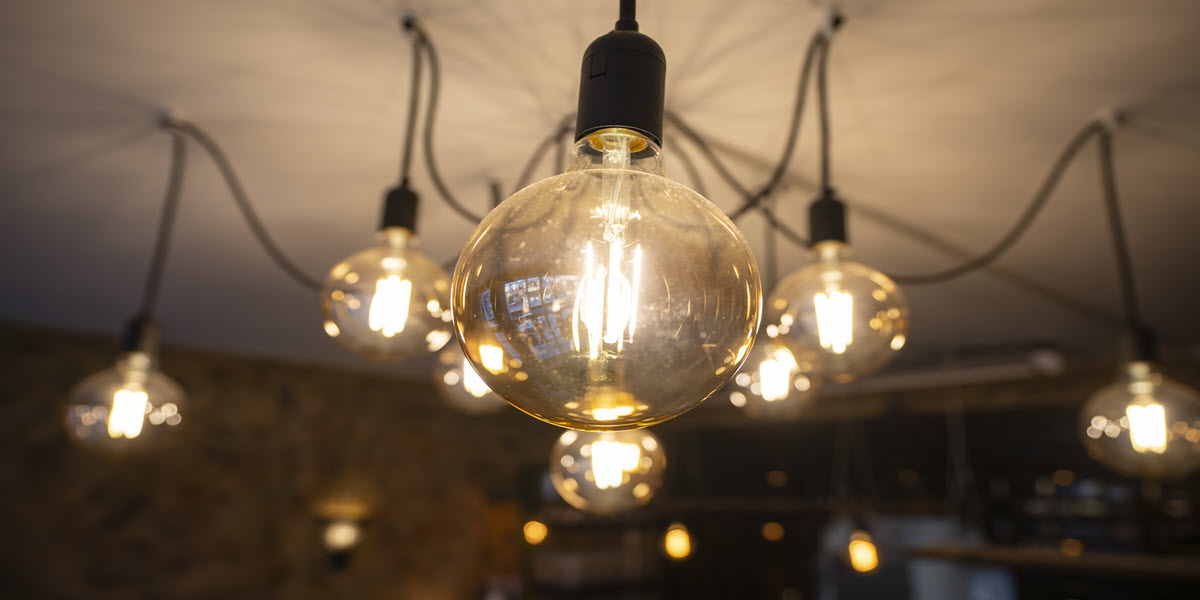
In Singapore, where electricity costs can quickly add up due to the tropical climate, finding ways to save on energy bills is a top priority for homeowners. Whether you live in an HDB, condo, or landed property, adopting smart wiring solutions and energy-efficient habits can make a significant impact on your electricity consumption.
In this guide, we’ll explore practical tips to help you save electricity in your Singapore home without sacrificing comfort.
Upgrade to Energy-Efficient Lighting
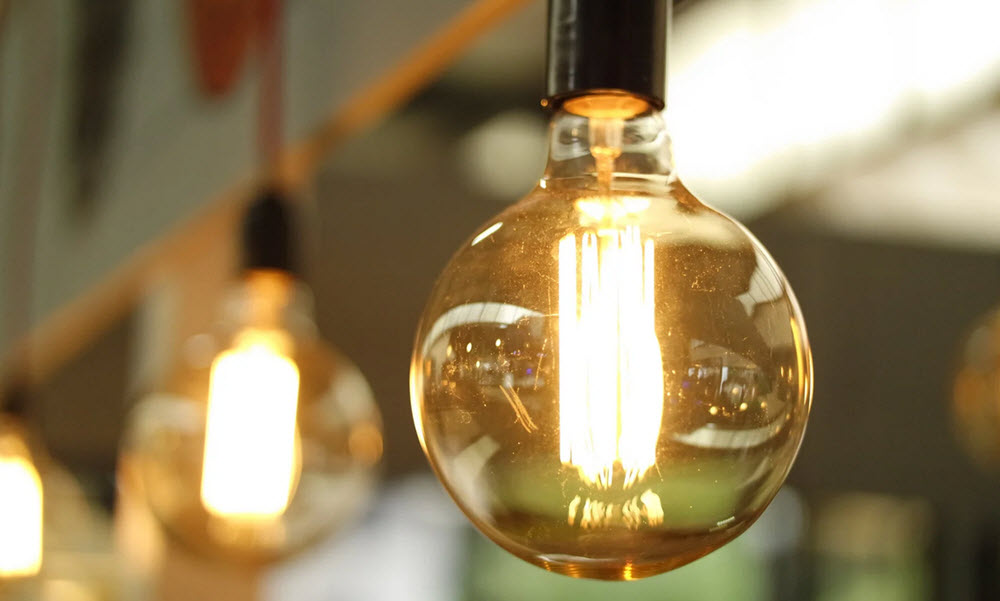
One of the easiest ways to reduce electricity consumption is by upgrading your lighting. LED lights consume far less energy compared to traditional incandescent bulbs, and they last much longer, providing excellent savings over time.
What to do:
- Replace all incandescent and fluorescent bulbs with LED bulbs.
- Use motion sensors or dimmers in areas like hallways and bathrooms to reduce energy wastage.
- Consider smart lighting systems to control brightness and scheduling.
Install Energy-Efficient Air Conditioning Systems
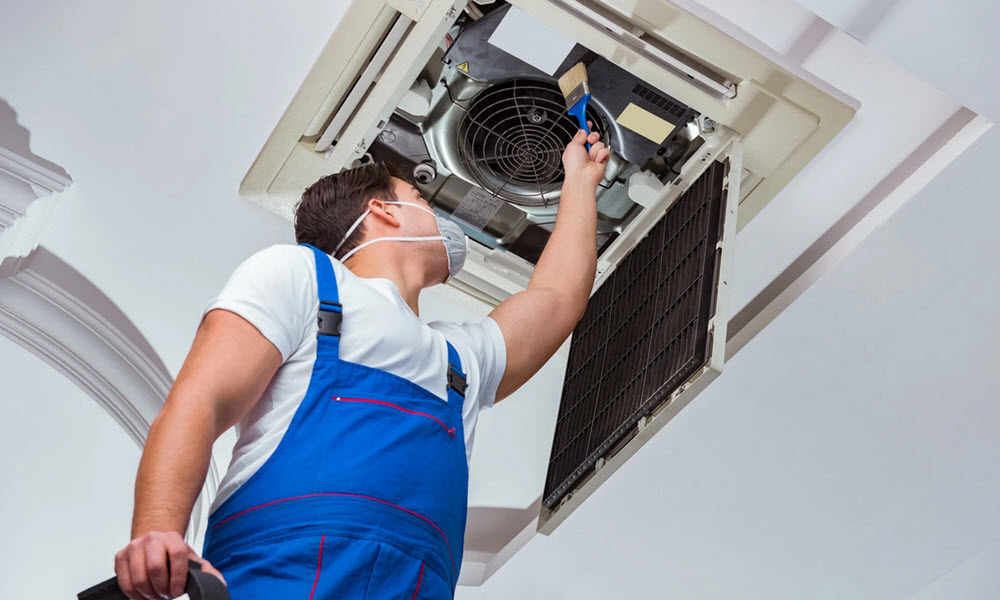
Singapore’s hot and humid climate means that air conditioning is essential, but it can also be a major contributor to high electricity bills. If your air conditioning system is outdated, it might be time to upgrade to a more energy-efficient model.
What to check:
- Is your air-con system more than 10 years old?
- Are you using the air conditioner in rooms that aren’t used often?
What to do:
- Install energy-efficient air conditioning units that are rated for lower power consumption.
- Schedule regular servicing to keep your air-con running at peak efficiency.
- Consider using ceiling fans in conjunction with your air-con to reduce energy consumption.
Implement Smart Wiring for Energy Efficiency
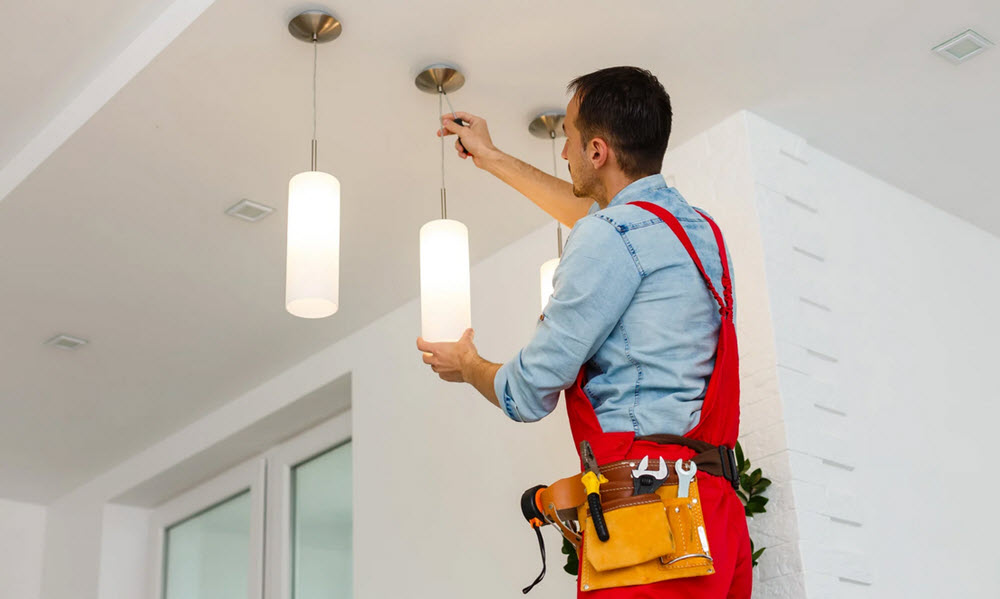
Smart wiring systems can optimize your home’s energy usage by automating lighting, heating, and cooling systems. These systems allow you to control and monitor electricity use, ensuring that you’re only using power when necessary.
What to do:
- Install a home automation system to control your lighting, fans, and air-con remotely.
- Use sensors to detect motion and automatically turn off lights in rooms that are not in use.
- Consider wiring your home with smart circuits that can monitor and report energy usage.
Use Energy-Saving Appliances
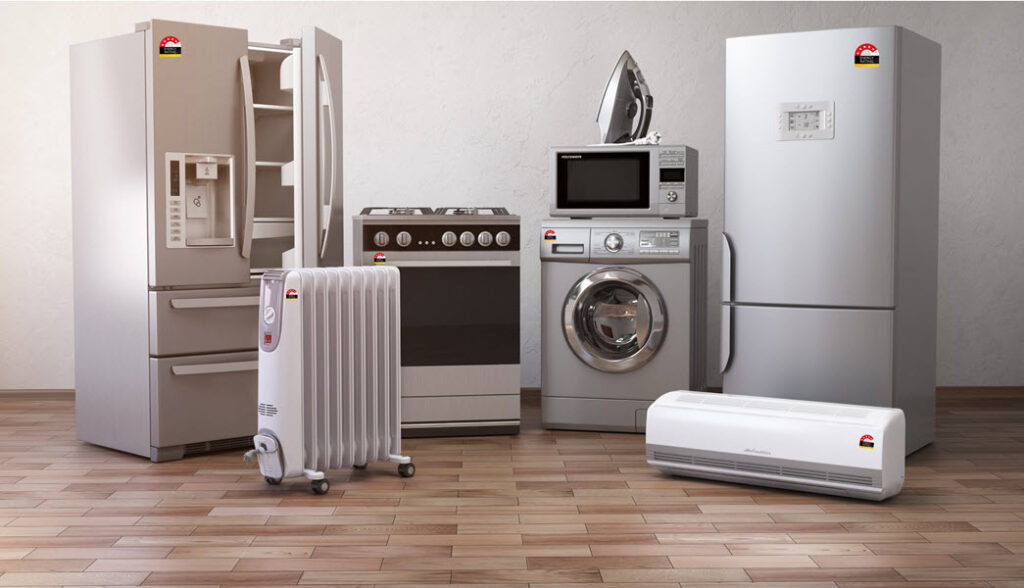
The appliances you use can have a big impact on your electricity bill. Switching to energy-efficient appliances can reduce power consumption while still providing the same level of performance.
What to check:
- Are your major appliances (fridge, washing machine, dryer) energy-efficient?
- Do you use them at times that maximize efficiency, such as running them in the off-peak hours?
What to do:
- Upgrade to energy-efficient appliances with a good energy rating.
- Use appliances during off-peak hours (such as early morning or late at night) to save on electricity costs.
- Clean and maintain your appliances regularly to ensure they run efficiently.
Seal Leaks and Insulate Your Home
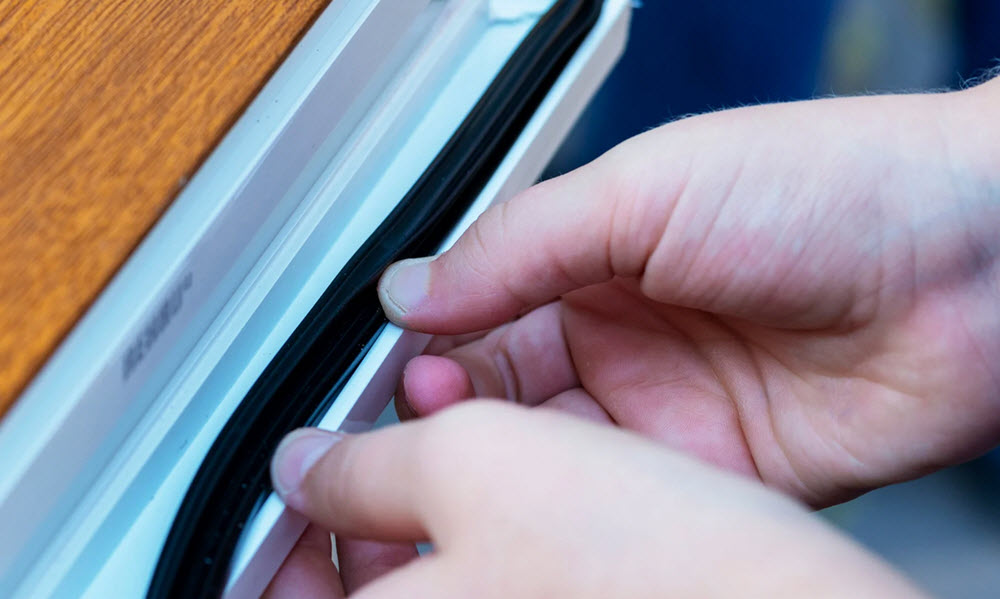
In Singapore’s tropical heat, maintaining a comfortable indoor temperature can be a challenge, and you may find yourself relying on air conditioning more than necessary. Proper insulation and sealing of air leaks can help keep cool air inside and hot air out, reducing your reliance on cooling systems.
What to check:
- Are your windows and doors properly sealed to prevent drafts?
- Does your roof or walls have proper insulation to keep the heat out?
What to do:
- Install weatherstripping around doors and windows to seal leaks.
- Insulate your roof and walls to prevent heat from entering.
- Install tinted windows or reflective films to reduce solar heat gain.
Use Smart Power Strips for Better Energy Control
Many electronic devices continue to consume power even when they’re turned off — a phenomenon known as “phantom power.” Smart power strips can help you control this energy wastage by completely cutting off power to electronics when they’re not in use.
What to do:
- Invest in smart power strips to manage devices like TVs, computers, and chargers.
- Set up your smart power strips to automatically cut power when devices are turned off.
- Use timers to control when your power strips turn on and off, especially for appliances that don’t need to run continuously.
Smart Thermostats for Better Temperature Control
A smart thermostat can help you better control your home’s temperature by adjusting settings based on your schedule and preferences. This prevents the air conditioner from running unnecessarily when no one is at home or when the weather is cooler.
What to do:
- Install a smart thermostat to set cooling temperatures according to your lifestyle.
- Program your thermostat to raise the temperature while you’re away or asleep, and lower it just before you return home or wake up.
Final Thoughts: Smart Wiring, Small Changes, Big Savings
Saving electricity in Singapore doesn’t require major lifestyle changes; small adjustments in how you manage power usage can lead to significant savings. By implementing smart wiring solutions, energy-efficient appliances, and habits like using power strips or smart thermostats, you can reduce your carbon footprint and lower your electricity bills.
Invest in the right tools, schedule regular maintenance, and stay mindful of your energy use — your wallet (and the environment) will thank you.